Wanting to give our kids more than we had is natural, but if we’re not careful, we can deprive our children of the very things that build independence and a sense of self-worth.
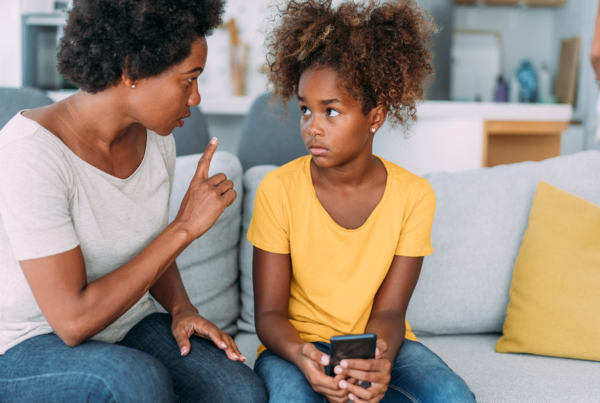
It’s Saturday morning, and your children are fixated on their phones, eyes glued to their screens. Outside, the yard is littered with leaves that need raking before the afternoon wind scatters them even farther. You could let them keep scrolling, or you could ask them to put down their phones and help clean up the yard.
In that choice lies a bigger question: Do we make life easy now or teach the kind of responsibility that will serve our children for the rest of their lives?
From Helicopters to Snowplows
Over the last several decades, US parenting styles have shifted dramatically. We’ve moved from the authoritarian “because I said so” approach of the mid-20th century to warmer, more child-centered methods. But somewhere along the way, a new pattern emerged—overparenting.
Terms like helicopter parenting (hovering to prevent harm) and snowplow parenting (removing all obstacles) have become part of our vocabulary. Being overly protective may be motivated by love, concern, and the natural urge to protect, but it often pairs with what researchers call overindulgent parenting—giving too much help, too many advantages, and too few expectations to contribute.
It’s natural that parents who grew up with less may consciously try to give their kids “more than we had.” While that impulse is generous, research shows that overproviding can unintentionally deprive children of what they actually need: opportunities to work, struggle, and learn from failure. Building something and overcoming challenges can give a child a feeling of accomplishment and self-worth. Being cared for provides no such feeling. In other words, by giving our children too much or being overly protective, we actually deprive them of the opportunity to experience success.
The Costs of Overhelping
Researchers have identified the consequences when children are shielded from learning responsibility:
- Weaker coping and problem-solving skills. Without experiencing the struggles of life, kids can’t build confidence in their ability to meet life’s demands.
- Mental health risks. Overparenting is linked to higher ratesof anxiety and depression in adolescents and young adults. When parents constantly intervene, children may become more vulnerable to stress later in life.
- Reduced motivation and self-regulation. Constantly doing things for a child can diminish their intrinsic drive and weaken their ability to plan, persist, create, and self-monitor.
- Delayed life skills. From managing schedules to basic self-care, skills develop through practice. If parents handle these tasks for their children, children may enter adulthood without having learned those essential life skills.
- Lower resilience and higher entitlement. Kids who never face consequences or hardship may come to expect society or the government to take care of them—and then struggle when that doesn’t happen.
Responsibility Builds More Than Skills
In contrast, meaningful responsibility builds psychological strengths that last a lifetime. Chores, school projects, volunteering, or earning and managing money all teach:
- Competence: “I can do hard things.”
- Contribution: “What I do matters to others.”
- Confidence: “I can trust myself to handle challenges.”
These aren’t just nice-to-haves. They’re fundamental predictors of resilience, adaptability, and long-term well-being and happiness.
Giving Kids the Gift of Responsibility
Younger children need simple, age-appropriate tasks, but as children grow older, they need increased complexity over time. Children should be allowed to learn from consequences. As children struggle with life’s challenges, parents should resist the urge to step in unless safety is truly at stake.
Giving Your Children More Often Means Giving Them Less
In a well-intentioned attempt to give our kids more, we risk taking away what matters most: the opportunity to grow through effort. Responsibility is not a burden; rather, it’s a gift that shapes character, strengthens capability, and prepares children for a life they can navigate on their own. If we want our children to have successful, happy adult lives, we need to resist hovering over them as they grow from children into adults.