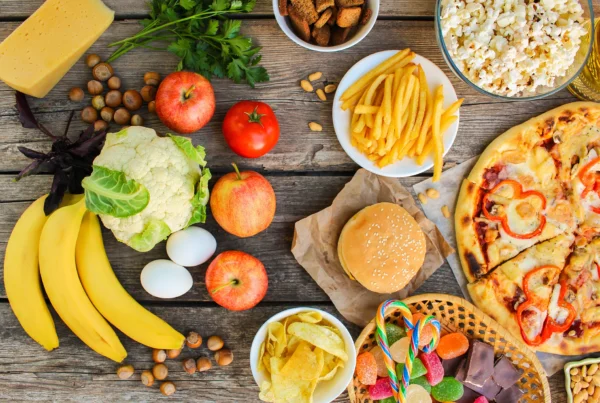
More than half of what we’re eating isn’t what our bodies naturally recognize as food.
An August 2025 analysis from the Centers for Disease Control and Prevention (CDC) delivered a wake-up call: Over half of American calories now come from ultra-processed foods. For kids and teens, it’s 62%. For adults, it’s 53%. Ultra-processed foods have become the foundation of the modern American diet—and our health is paying the price!
The Damage
Chips, sodas, cereals, baked goods, pizzas, and fast-food burgers contain little to no whole foods. They’re stripped of fiber and loaded with ingredients you’d never use at home: emulsifiers, artificial colorings, and flavor enhancers.
They spike blood sugar, trigger inflammation, and wreak havoc on your gut microbiome. Research published in The BMJ linked ultra-processed food consumption to more than 30 health conditions: obesity, cardiovascular disease, type 2 diabetes, cancer, mental health disorders, and early death.
But There Are Exceptions
Labels can be deceiving. Foods are classified by a scientific system called NOVA. NOVA sorts foods according to the extent of their processing. Strangely, it places “carbonated drinks; sweet or savory packaged snacks” in the same category as “‘health’ and ‘slimming’ products such as powdered or ‘fortified’ meal and dish substitutes.”
In 2025, researchers began pointing out the flaw in the system: “The binary nature of NOVA’s classification fails to account for nutritional composition [and] fortification benefits.” Unfortunately, this means nutritionally beneficial foods—such as fortified bars and shakes—are being categorized alongside sugary snacks and soft drinks.
Beyond the Label
A term like “ultra-processed” is only meaningful if it helps you make informed choices about what you eat. And that requires digging deeper.
Most Americans eat only 15 grams of fiber a day, well below the recommended 25–30 grams. They’re deficient in nutrients like vitamin D, omega-3s, and essential minerals. Even someone eating a nearly perfect whole food diet will fall short of some nutritional needs.
This is where strategically formulated (and technically “processed”) foods can benefit your diet. Unlike those calories that aren’t really food, these products are food—but at an intensified level.
A good health strategy:
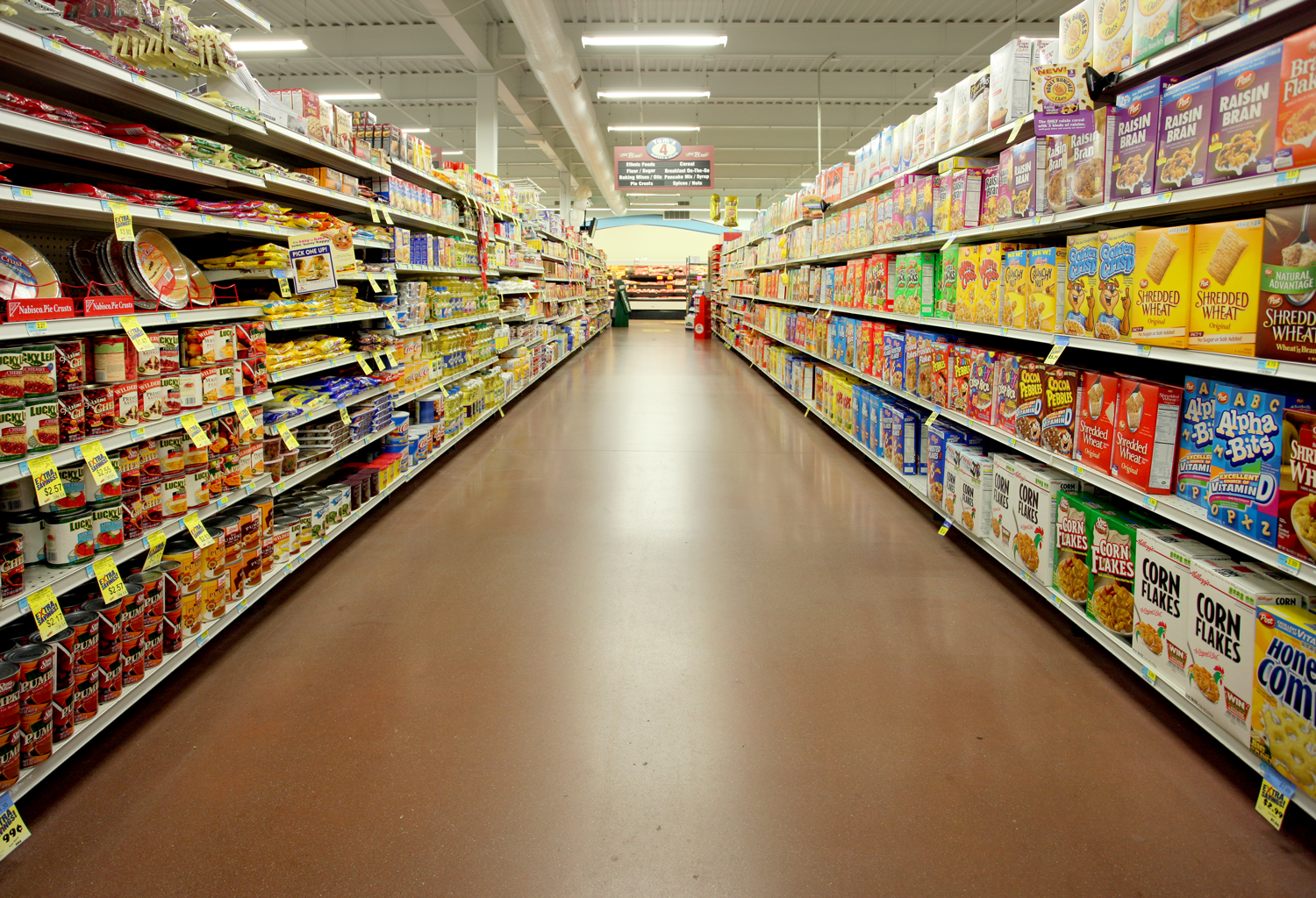
- Eliminate classic ultra-processed foods. If it comes in a box, bag, or wrapper and has been formulated primarily for convenience, not health, don’t eat it. Don’t even bring it home.
- Build your diet on whole foods. Fresh vegetables, fruits, quality proteins, nuts, legumes. Make real food at home.
- Supplement strategically. Add products crafted by companies you trust that define their success by making improvements in human health, not profit margins.
Note: For four decades, Melaleuca has formulated some of the world’s premier wellness products using clinical research designed for health, not profit.
Many types of food processing destroy the health of food, while some can actually enhance it. It all depends on the details. Choose wisely.