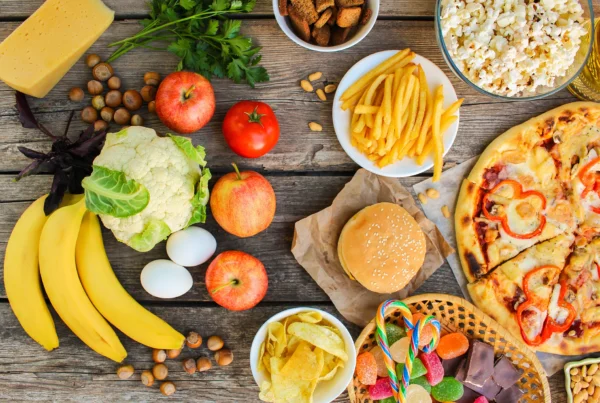
To get the same iron your grandmother got from one apple in 1950, you’d need to eat three apples today.
And it’s not just apples. Across the produce aisle, fruits and vegetables have lost 25%–50% of their nutrient density over recent decades. Even when you’re eating well, you’re getting fewer nutrients than you think.
Here’s Why That’s a Problem
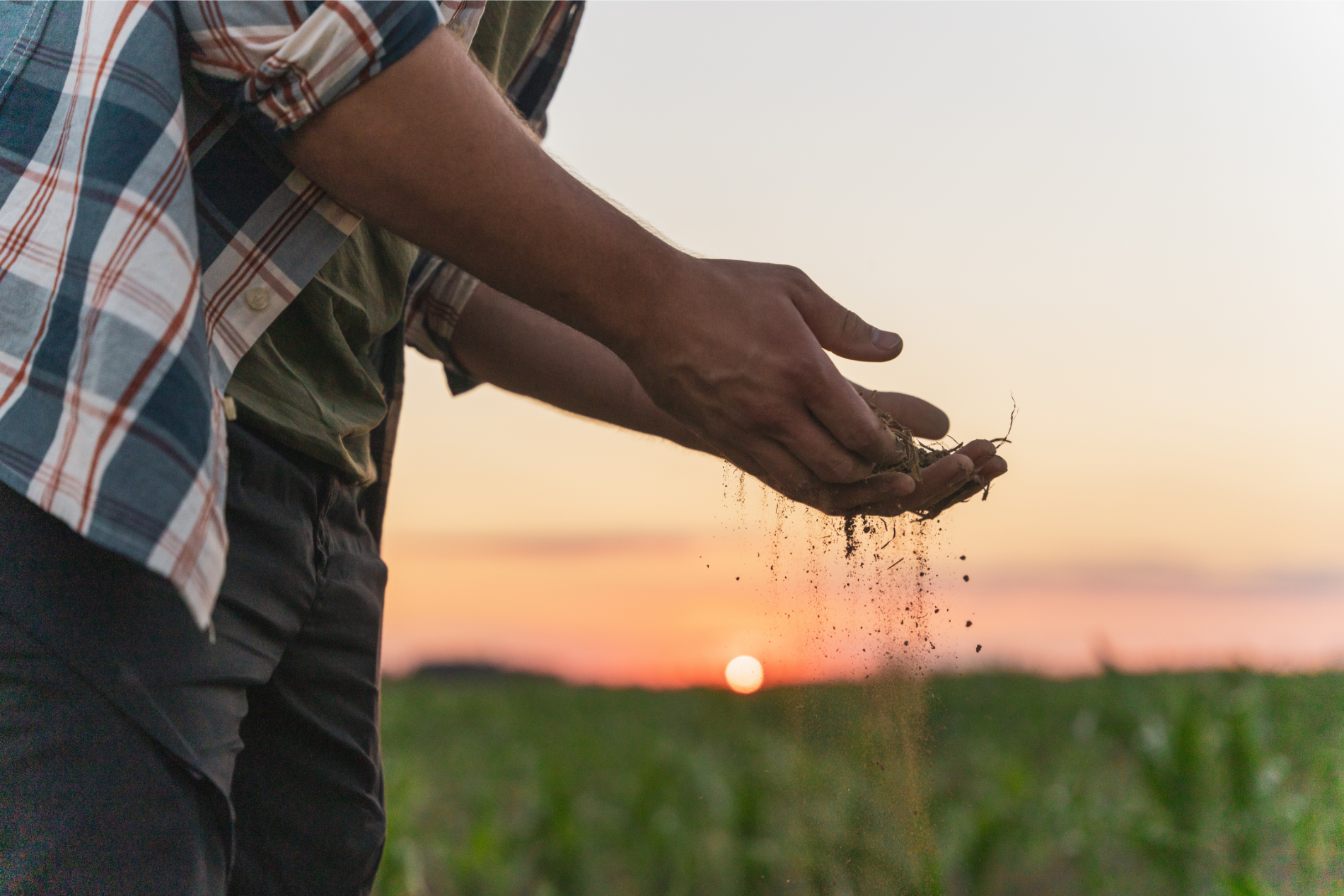
Our bodies cannot function without minerals, and minerals must come from the food we eat. Plants and animals cannot create minerals. All minerals originate from the soil. If the soil is depleted, the produce is depleted—no matter how perfect it looks on the shelf.
As Dr. Rattan Lal, a World Food Prize laureate, explains, “If the soil does not have these nutrients, the food produced from the soil will also be deficient.”
A comprehensive 2024 review found that between 1940 and 2019, iron content in produce dropped roughly 50%, and copper fell 49%. An earlier analysis of 43 crops documented declines of 5%–40% in essential minerals like calcium, iron, and magnesium. Leafy greens have lost over 30% of their iron. Zinc, critical for immune function, has also declined by up to 30% in vegetables.
Researchers call these “reliable declines”—a reserved way of saying the evidence is undeniable.
So, What Happened?
Three major forces converged to drain the nutrition from our food supply.
Crops take but never give back. Throughout the world, farmers have been farming the same ground for decades. Every crop pulls minerals from the soil. In nature, plants die where they stand and decompose, returning those nutrients to the soil. But farmers harvest and ship their crops elsewhere—so those minerals never return. Chemical fertilizers replace nitrogen, phosphorus, and potassium, but not trace minerals like iron, copper, zinc, and selenium.
Monocropping has exhausted the soil. Industrial farming grows the same crop in the same field year after year—for over a century in some fields. A 75-year study of such farmland found that soil zinc levels dropped 43% and copper dropped 53%. As USDA soil researcher Rick Haney warns, decades of chasing higher yields have depleted the soil of essential nutrients and killed off the bacteria and fungi that help plants absorb trace minerals. The result? Big, beautiful plants that look great on grocery store shelves—but can’t deliver the minerals your body needs.
Atmospheric CO₂ levels have climbed over the past century. Plants grown under elevated CO₂ levels produce more carbohydrates but fewer nutrients—a phenomenon researchers call “carbon dilution.” With elevated CO₂, plants make more sugars and starches, diluting the concentration of protein, iron, and zinc. Across multiple studies, protein drops by nearly 10%, iron by 16%, and zinc by over 9%.
You Thought You Were Doing Everything Right
You’re choosing fresh produce. You’re avoiding processed foods. Good. A diet rich in whole foods remains foundational to proper health. But the produce itself has changed. Even if it’s larger, brighter, and more plentiful, it offers you less.
Trace minerals are the spark plugs for hundreds of enzymatic processes in your body. When your mineral reserves run low, those processes don’t fire correctly. Energy tanks. Thinking gets foggy. Immunity wanes.
Bridging the Gap
Eating fruits and vegetables is still essential. But in today’s world, achieving optimal health often requires supplementation. That’s why patented Oligo® mineral-delivery technology was developed—to deliver minerals the way plants once did, maximizing absorption while reducing free radicals.
Don’t give up on fruits and vegetables. They are necessary. But they aren’t what they used to be. Make sure your body gets all the advantages it needs with daily vitamin and mineral supplementation.