International Journal of Molecular Sciences, January 2026 | Giuseppina Malcangi et al., University of Bari “Aldo Moro”
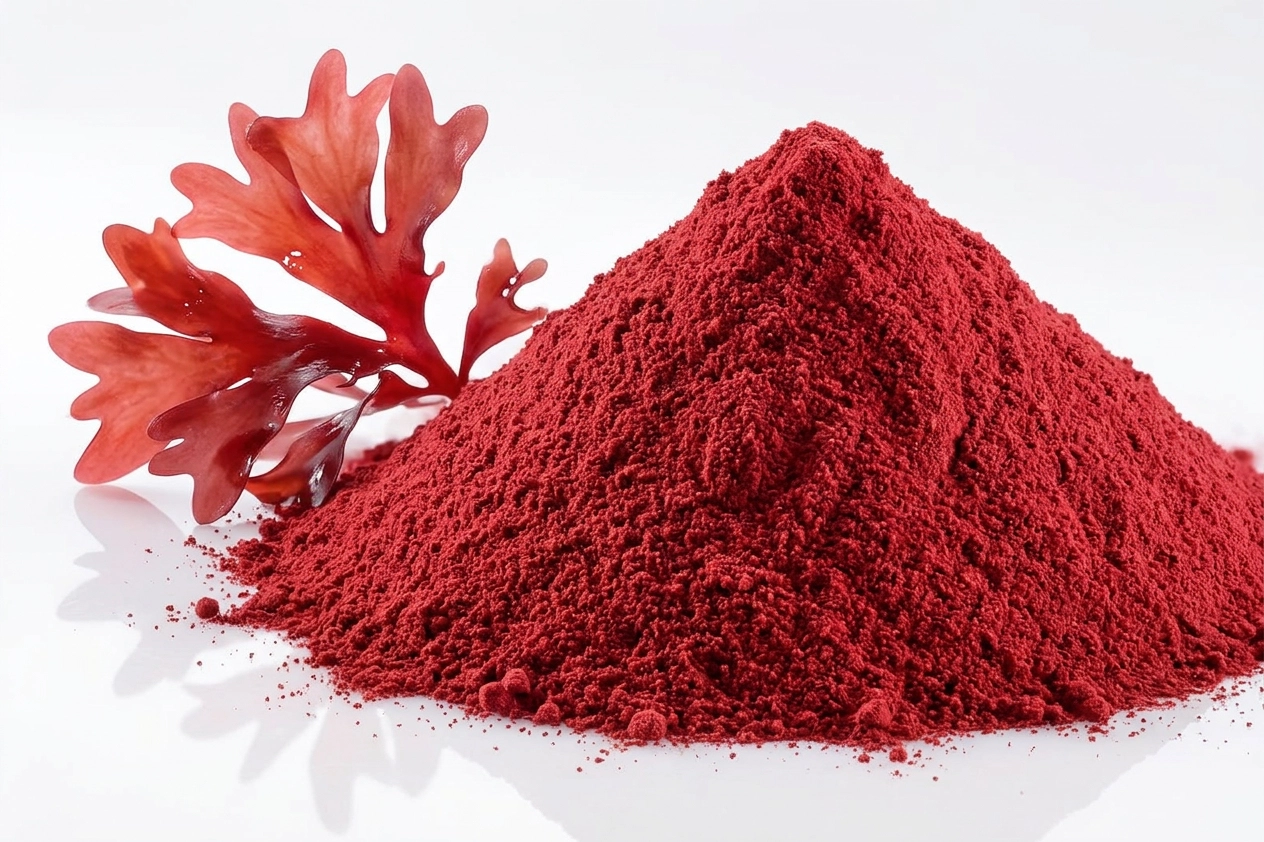
The same pigment that colors salmon and shrimp has been accumulating a clinical research record worth paying attention to. Astaxanthin, a carotenoid derived from microalgae, has now been studied in 15 human randomized controlled trials, and the findings are consistent.
A systematic review published in January analyzed those trials, looking at what astaxanthin supplementation actually does in the body. The studies covered a wide range of conditions: metabolic health, heart health, reproductive health, immune function, and physical recovery. The results all pointed in the same direction.
In study after study, astaxanthin lowered markers of inflammation and reduced oxidative stress, the cellular damage that accumulates with age and is associated with many chronic diseases. It appears to work in two ways: neutralizing harmful molecules directly and activating the body’s own antioxidant defenses.
The practical results were meaningful. Men who combined astaxanthin with exercise lost more body fat and saw greater improvements in cholesterol and blood sugar than those who exercised without it. Women with polyendocrine metabolic ovarian syndrome (PMOS) showed better egg quality and improved metabolic markers. Patients with pneumonia recovered faster. Firefighters who took it before intense physical exertion showed lower inflammation and better immune recovery afterward.
Dosing and study designs varied, and researchers have called for more standardized trials. But 15 independent human studies pointing in the same direction is a meaningful signal.
Tip: Pay attention to the source of astaxanthin in your supplements. The most research-studied form comes from the microalga Haematococcus pluvialis, which produces it naturally rather than through synthetic processes. Opt for products that specify algal origin and are grown in controlled, enclosed facilities.