In January 2026, the US Departments of Health and Human Services (HHS) and Agriculture (USDA) released the Dietary Guidelines for Americans, 2025–2030, marking what officials describe as the most significant reset of federal nutrition policy in decades.
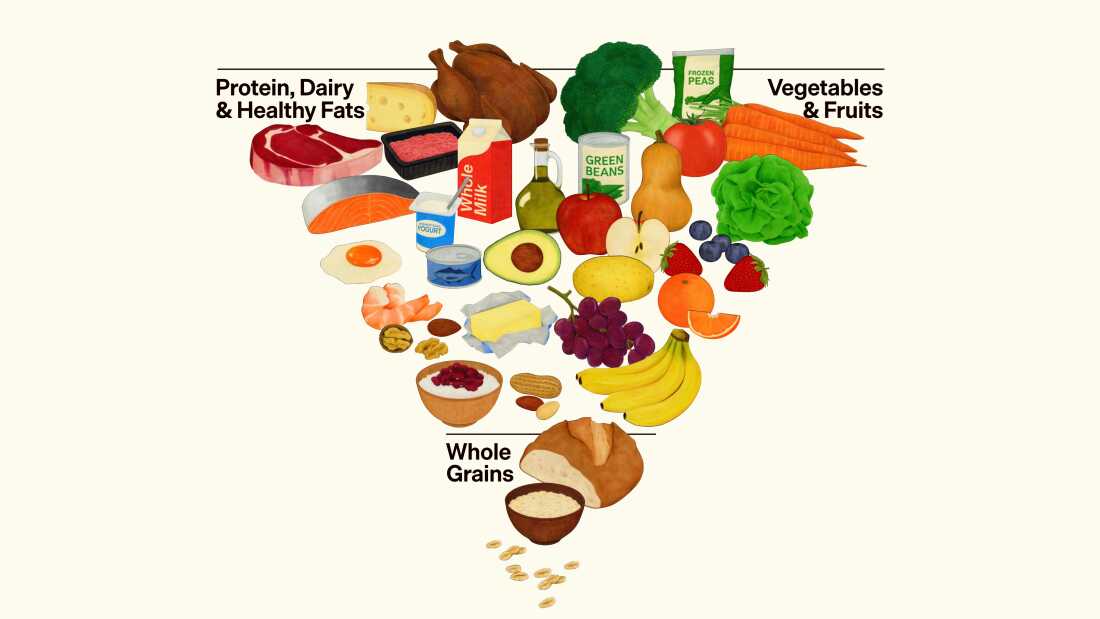
The changes are astounding! The new food pyramid absolutely flips the old model: whole foods and protein move to the top. Grains—the foundation of nutrition advice for 40 years—get demoted.
The symbolism wasn’t accidental.
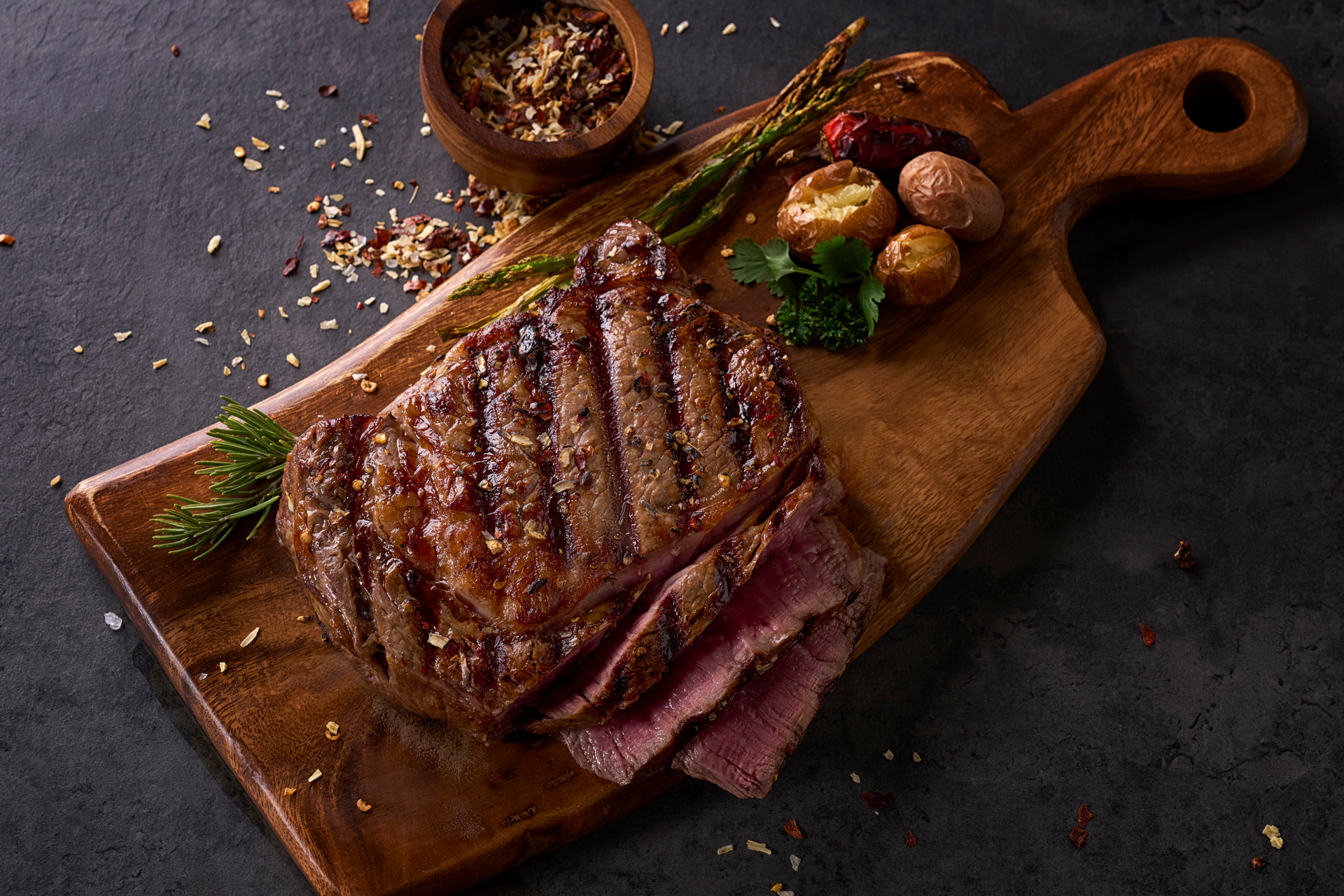
Dr. Shawn Baker, author of The Carnivore Diet and a former orthopedic surgeon, noted that the new pyramid opens with “a big old rib eye steak. That’s an acknowledgment that animal fat is actually not what’s killing us, as we’ve been told for many, many years,” Baker explained in a recent interview.
For half a century, Americans were told to fear red meat and saturated fat. Now the government’s own graphic puts a marbled steak front and center. But as interest in beef and animal protein rises, it’s worth pointing out that not all beef is created equal. How cattle are raised—whether they’re given growth hormones or routine antibiotics—matters just as much as how often we eat beef. The source and quality of the beef is becoming part of the nutrition conversation. Humane practices for raising cattle are also increasingly part of the discussion.
A Focus on Prevention
The government can no longer afford the diseases its own nutrition advice may have caused. Johns Hopkins Bloomberg School of Public Health found that nearly half of all federal tax dollars fund health care, and 90% percent of that funding goes toward managing chronic conditions such as heart disease, type 2 diabetes, obesity, and hypertension—much of which is preventable through diet.
The updated dietary guidance reflects a growing consensus in public health: Preventive nutrition strategies can reduce disease risk earlier in life, easing the long-term strain on health systems, employers, and families. Rather than focusing solely on treatment, the new framework emphasizes diet quality as a foundational investment in population health.
The New Science
The new pyramid emphasizes what the old model downplayed: high-quality protein, healthy fats from meat and dairy, and nutrient-dense whole foods. Grains and carbohydrates—once the foundation of federal nutrition advice—drop to the bottom! Grains that filled as much as 11 servings a day in the 1990 pyramid now play a supporting role at best.
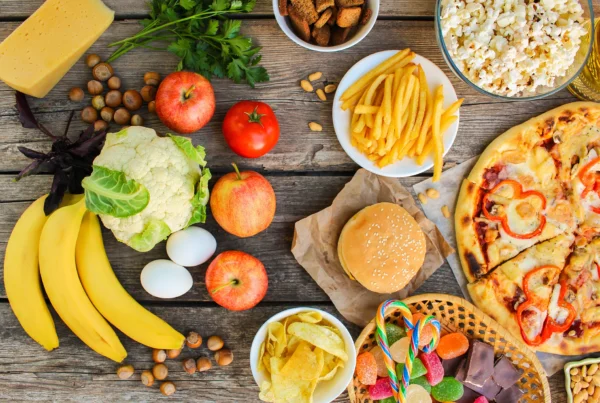
The message is clear: Prioritize foods that truly nourish the body, not foods that manufacturers engineered to be addictive.
Dr. Baker calls ultra-processed foods “human pet food”—products designed to mimic the reward pathways of recreational drugs. “A lot of our food has become very similar to recreational drugs in the way we use and abuse them,” he says. Getting away from that, he argues, will improve health outcomes—assuming Americans actually follow the new guidance.
Cost Reduction Through Long-Term Dietary Change
Federal officials have framed the updated pyramid as a long-range strategy, not a short-term fix. The goal is to influence everyday eating patterns across schools, workplaces, and households in ways that gradually reduce the incidence of chronic disease.
According to the government, improving diet quality nationwide has the potential to:
- Lower rates of preventable chronic conditions
- Reduce dependence on long-term pharmaceutical interventions
- Decrease hospitalizations and disease-related complications
- Improve productivity and quality of life throughout an individual’s lifetime
Over time, these changes could translate into meaningful reductions in public and private health care spending—particularly as younger generations adopt healthier dietary patterns earlier in life.
What This Means for Everyday Wellness
The updated food pyramid reinforces a familiar principle: Daily food choices matter—not just for how we feel today, but for long-term health and resilience.
You don’t need to wait for the government to catch up. The new pyramid simply confirms what Melaleuca and whole-food advocates have said for years: eat real food, prioritize proteins and vegetables, and skip the middle aisles of the grocery store. Your body—and your future—will thank you.