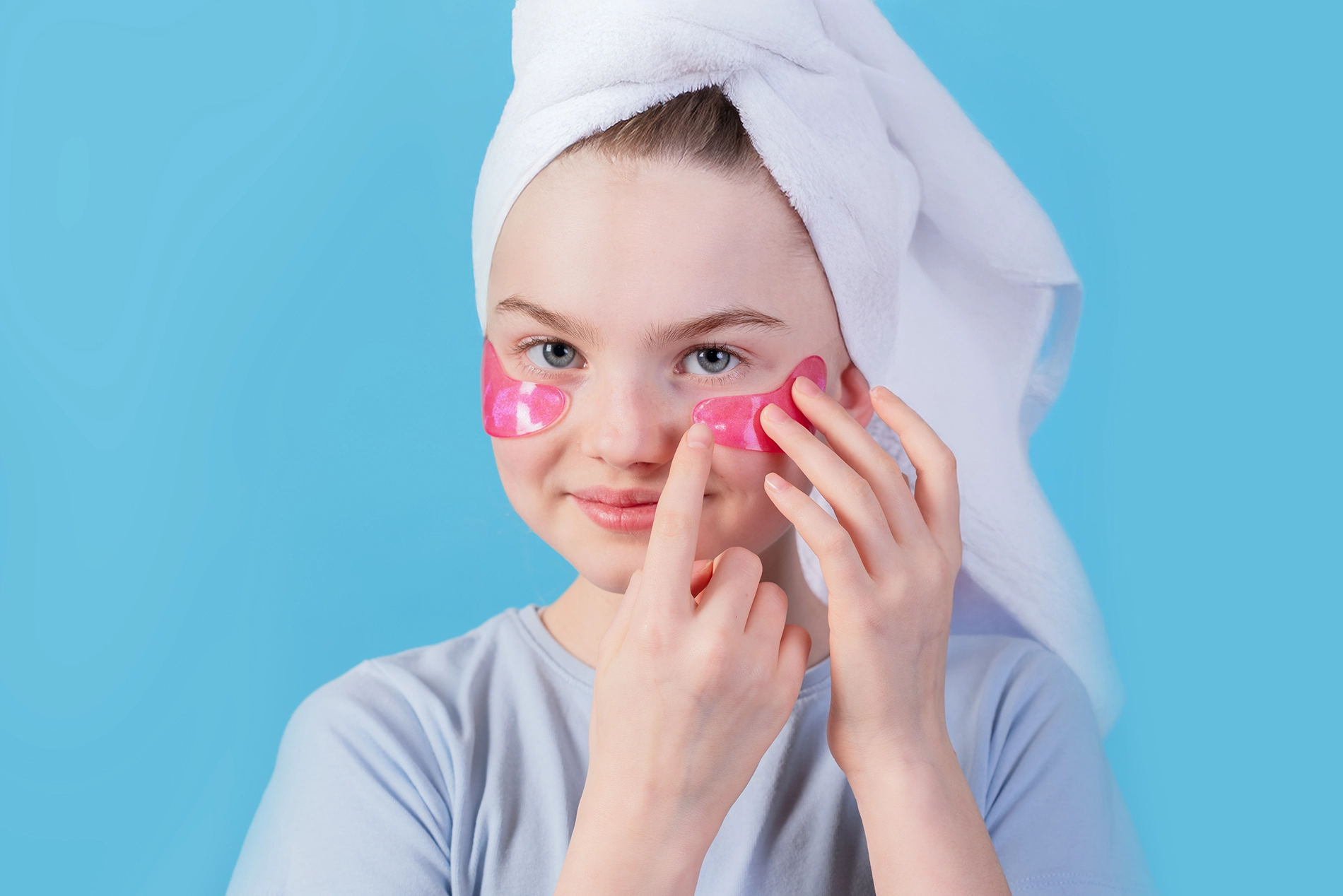
If you’ve walked through a beauty aisle lately—or glanced at your kid’s “For You” social media page—you may have noticed something unexpected: young teenage girls—and even children as young as seven!—stocking up on retinol serums, niacinamide toners, and multi-step routines that rival adult regimens. Thanks to brand marketing, “skinfluencers,” and viral product hauls, pre-teens and teens are being swept into a skin-care craze that dermatologists say is not only unnecessary and expensive, but potentially harmful.
Adult Ingredients on Young Skin
Experts, including dermatologists referenced by Yale Medicine, warn that many tweens and teens are experimenting with adult “anti-aging” skincare—often featuring retinoids and exfoliating acid—and that such products can irritate or damage young skin.
Young skin is not just “younger” adult skin—it’s built differently. Kids have a thinner, still-developing moisture barrier and produce far less protective sebum. This leaves their skin with fewer defenses against harsh ingredients and far less ability to recover from irritation.
Worse, early use of strong actives can ignite atopic dermatitis, create lasting skin sensitivities, and set the stage for facial eczema.
What Young Skin Actually Needs
Developing healthy skincare habits and using age-appropriate products is important for long-term skin health.
Dermatologists agree that young skin requires only three basics: gentle cleansing, lightweight moisture, and sunscreen. Broad-spectrum SPF, in particular, is the most essential step for long-term skin health—yet it’s missing from nearly three-fourths of the influencer routines studied.
For acne, dermatologists recommend low-dose benzoyl peroxide or salicylic acid. Persistent acne should be evaluated by a medical professional—not TikTok.
How Marketing Pulls Tweens In
Despite medical guidance, beauty brands and influencers aggressively target tweens and teens with products that don’t meet their needs. Social media algorithms make skincare feel like a hobby, identity, and social currency all in one. Bright packaging, fun scents, and skin care routines crafted to look “picture perfect” on social media have created an eager new market—one that beauty companies have been quick to prey on.
Why Starting Too Early Makes Skin Worse
What kids don’t realize is that the products they’re buying can actually work against their future skin health. In fact, dermatologists warn that early exposure to potent actives can accelerate irritation, weaken the skin barrier, and create chronic sensitivity—ultimately making skin look older, not younger.
Potent actives like retinoids, exfoliating acids, and concentrated serums are designed for adults whose skin-renewal rate has begun to slow—not for tweens whose skin is functioning at its peak.
The High Price of Harm
And then there’s the cost. According to Women’s Health, the average trending teen skin care routine adds up to $168. Families are paying premium prices for products that offer no benefit—and in many cases, can cause real, lasting harm.
Young skin gets zero benefit from advanced skin-care products—and plenty of potential damage. For teens, these treatments mean irritation, barrier disruption, long-term sensitivity, and money down the drain.